
© ricci.pics
Taddaaah’s Bubbles
The soap bubble history
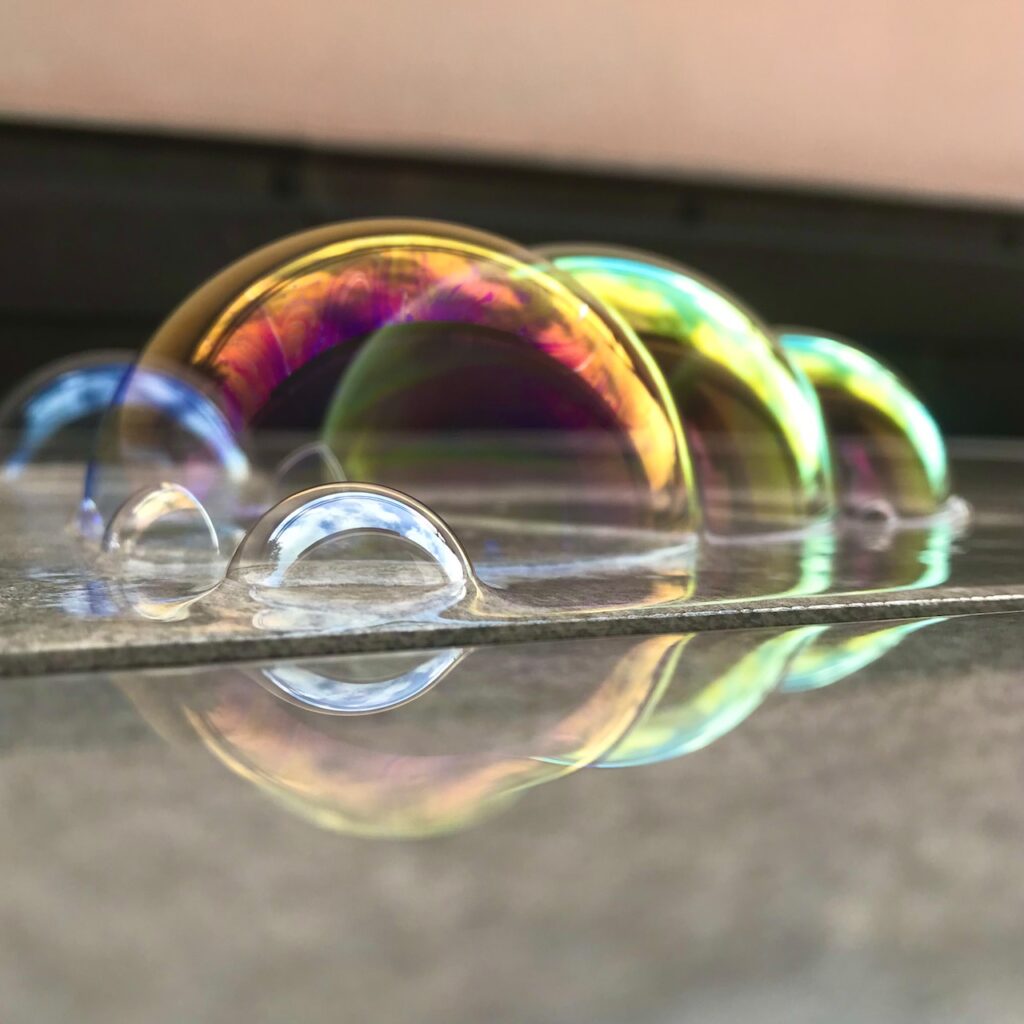
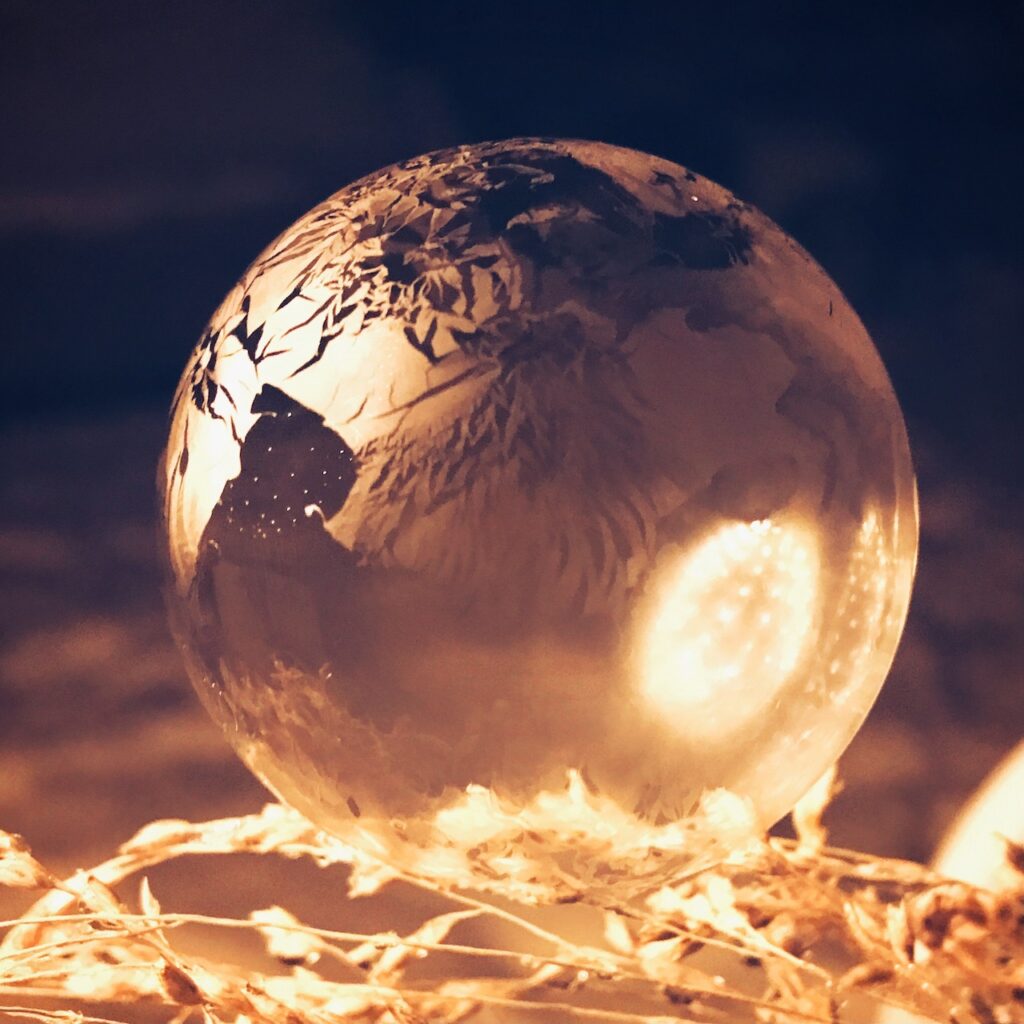
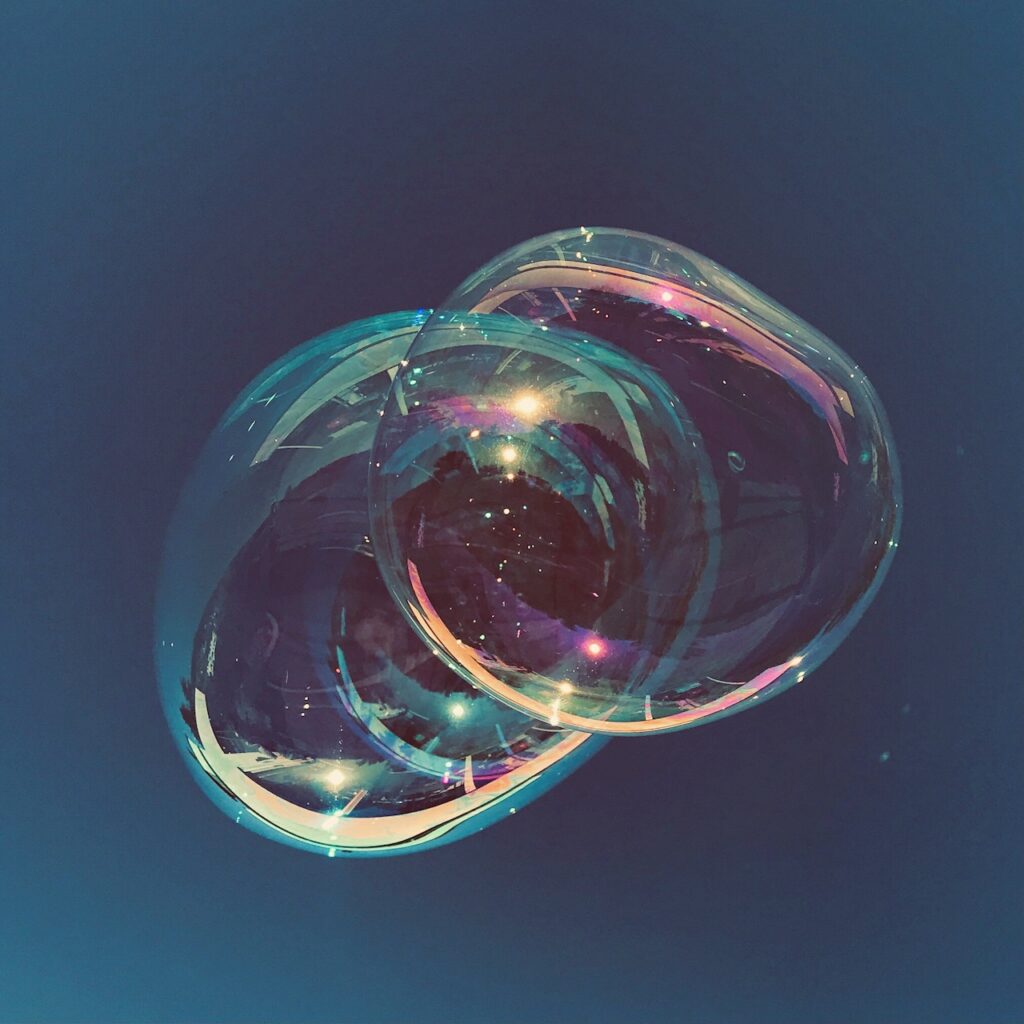
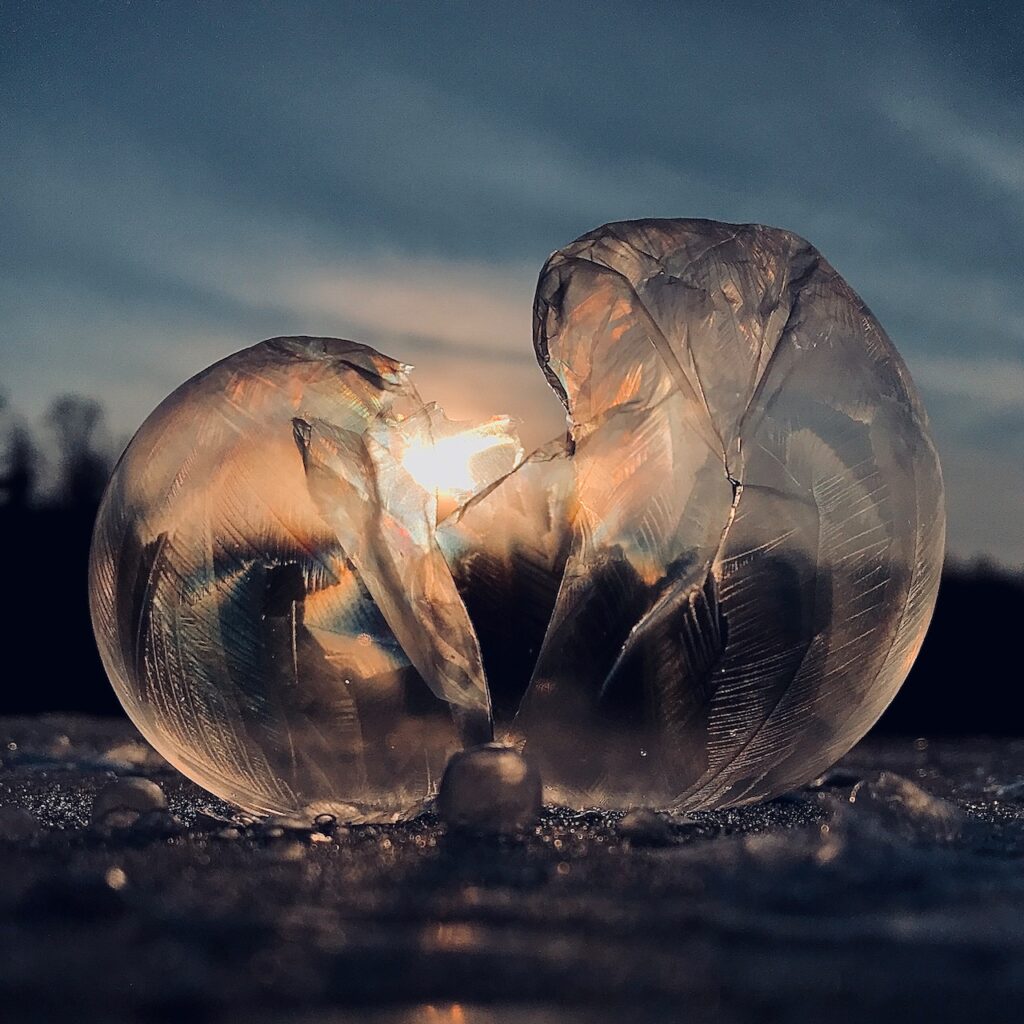
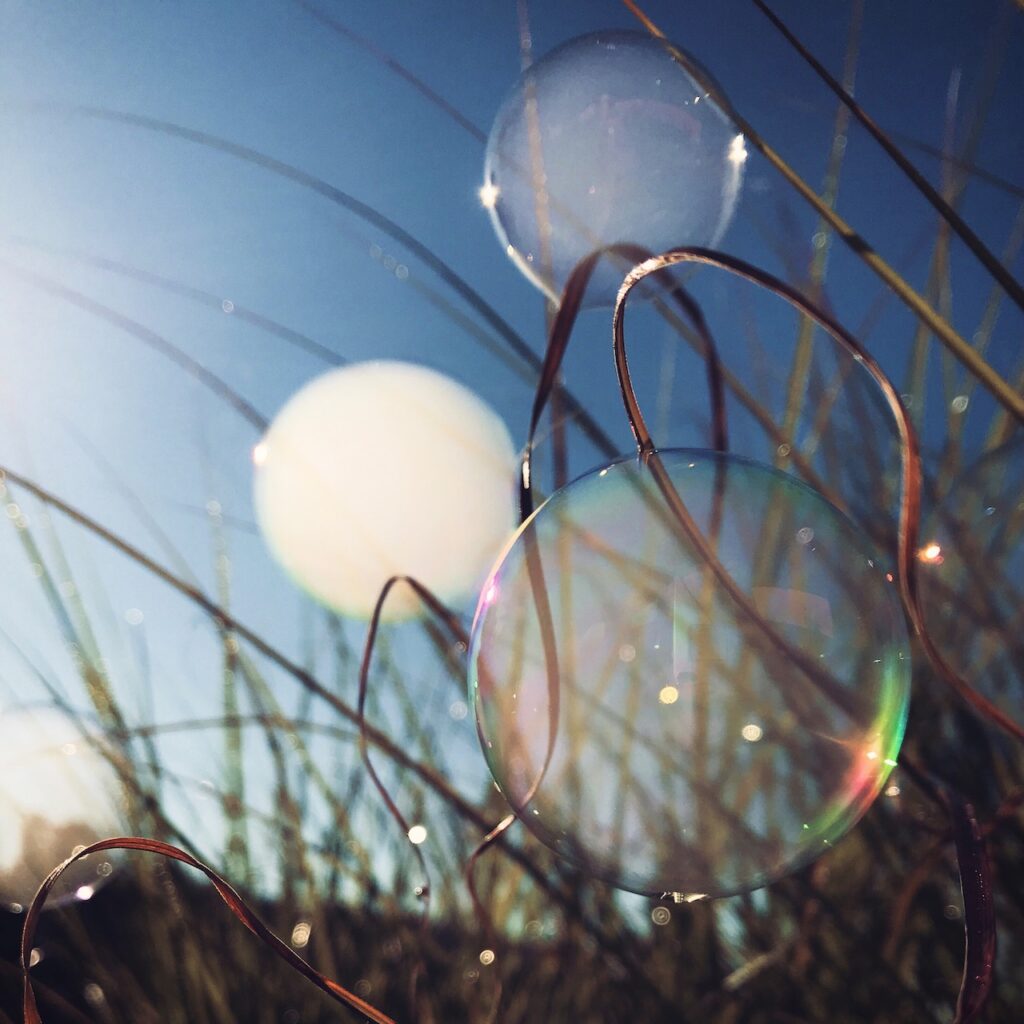
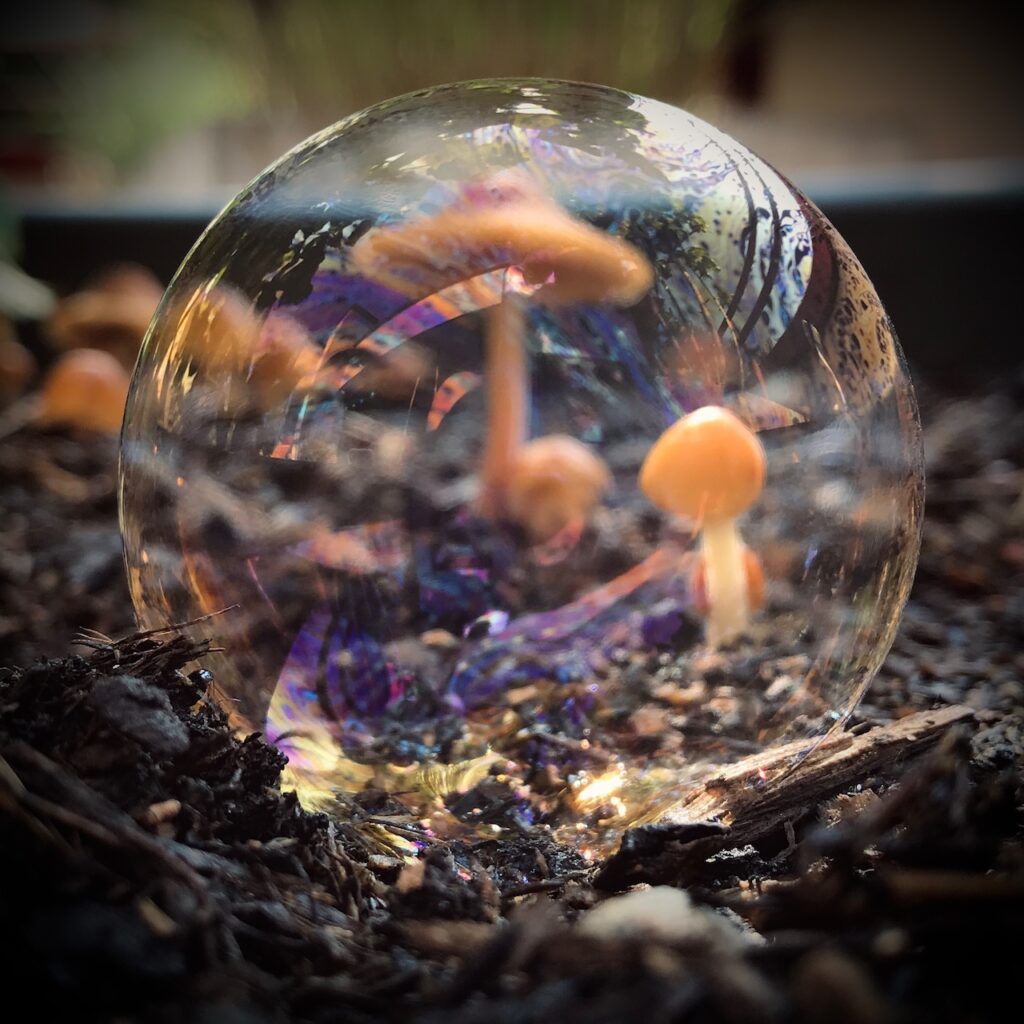
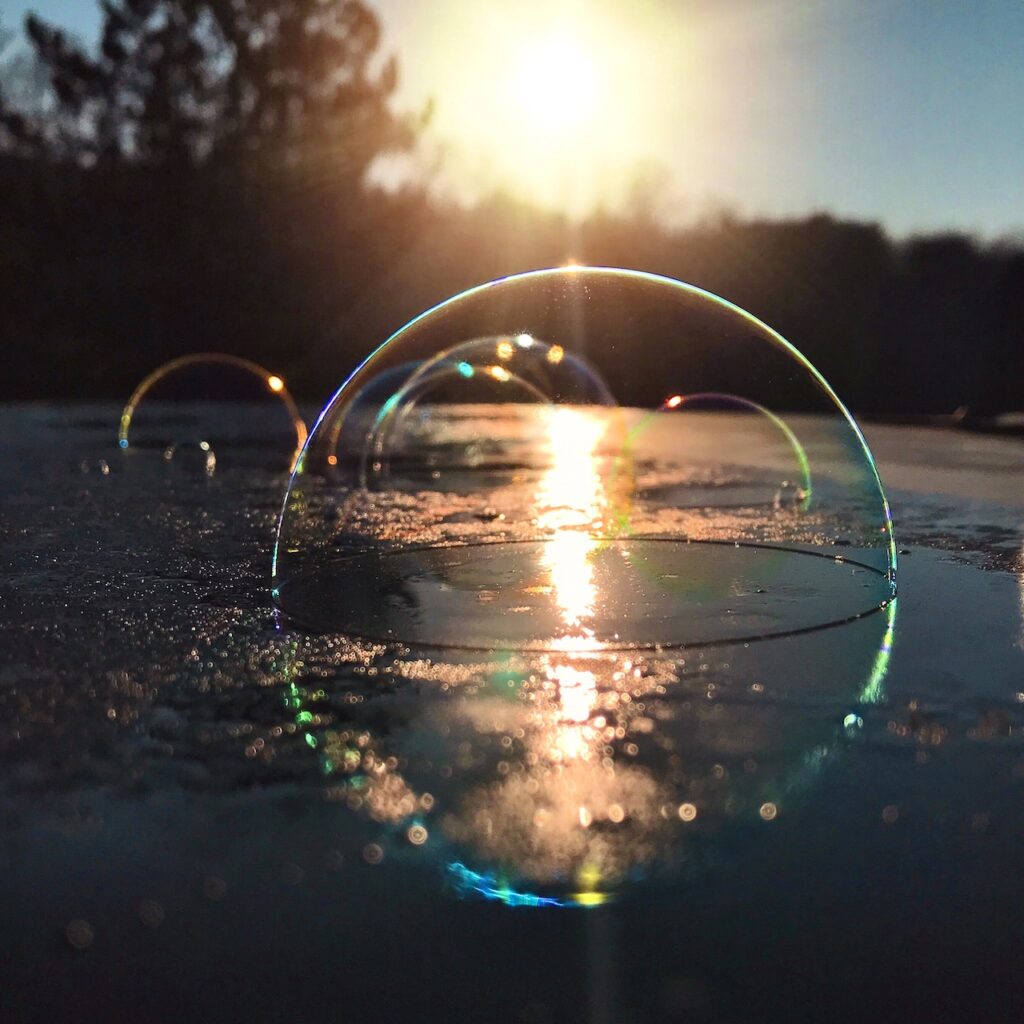
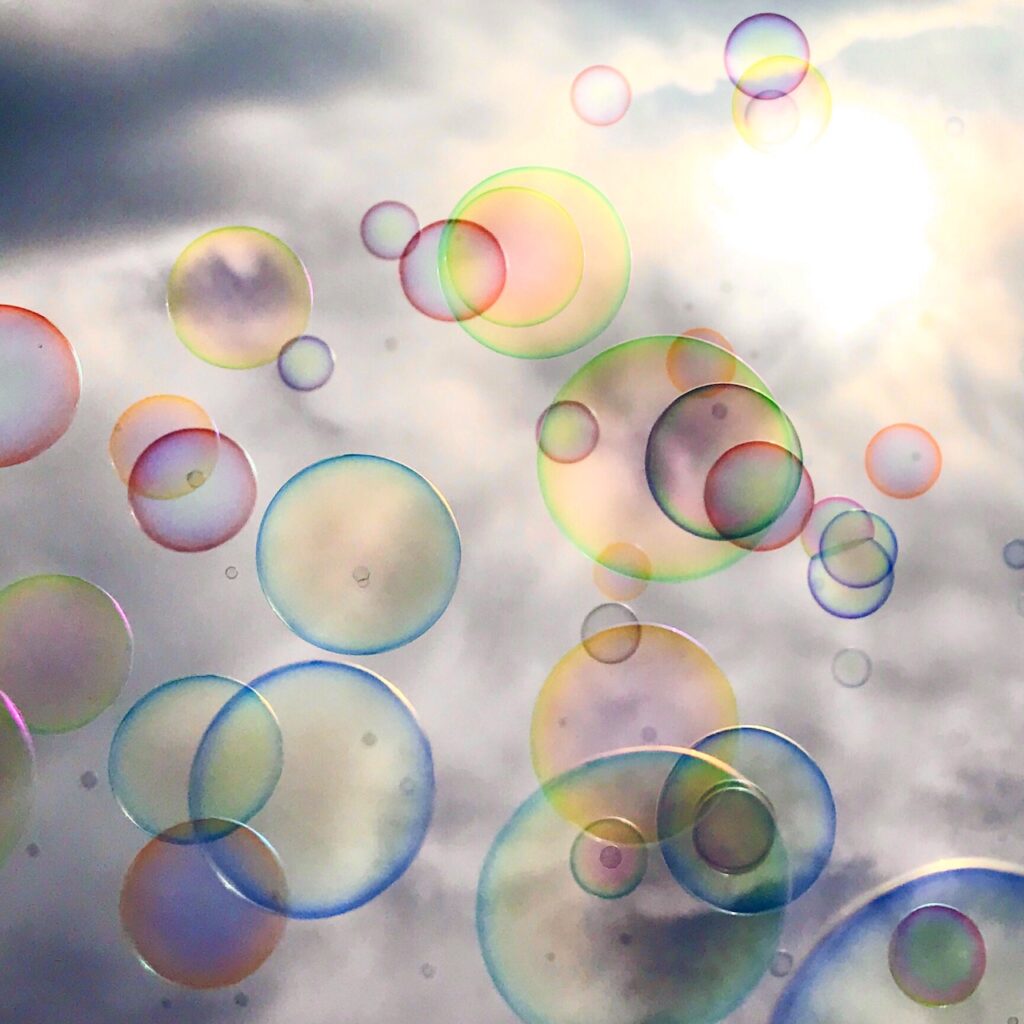
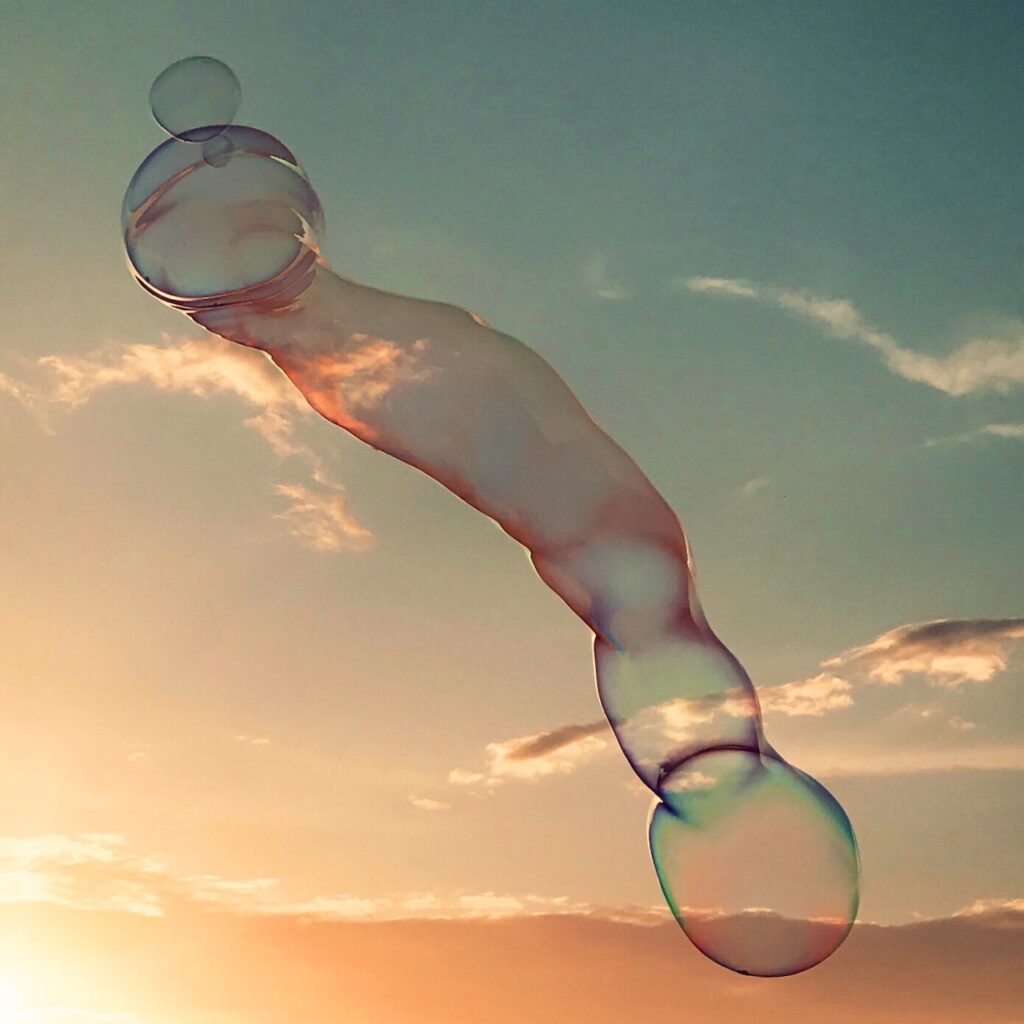
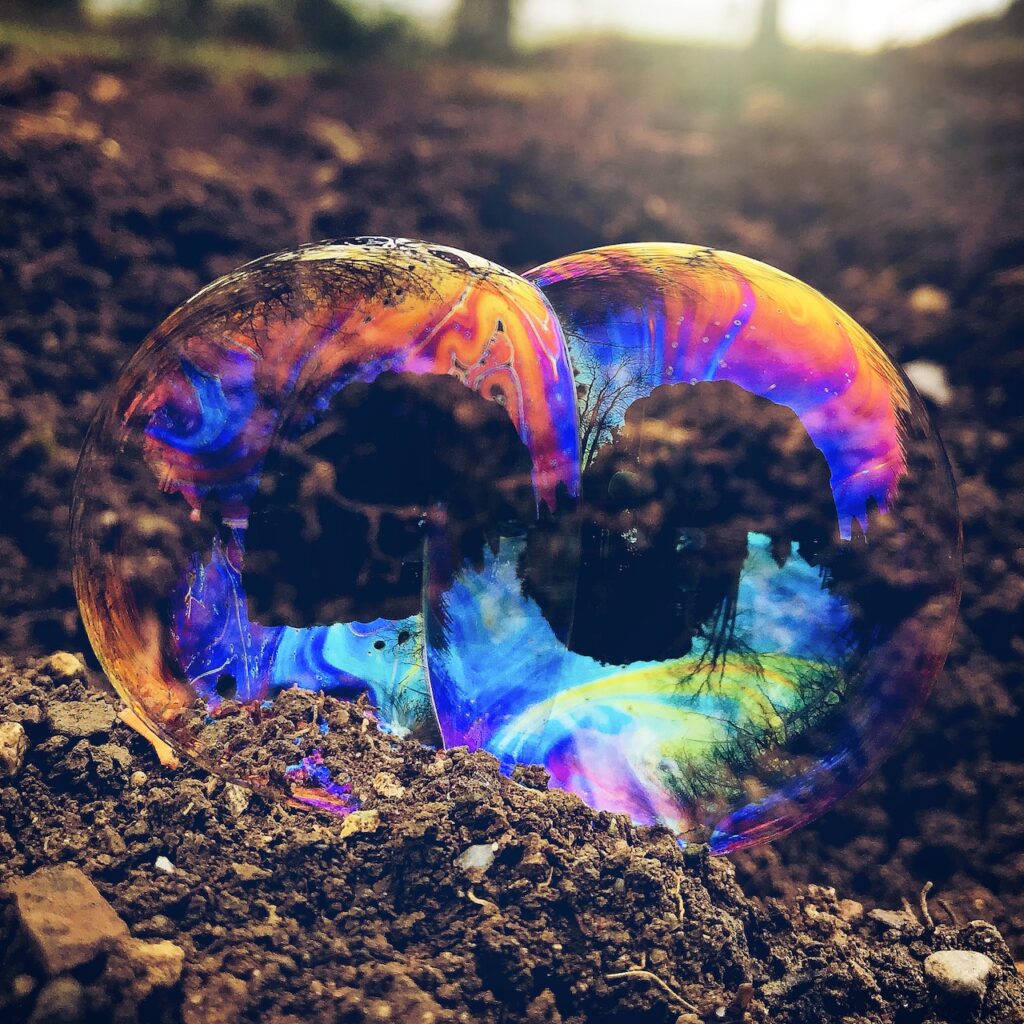
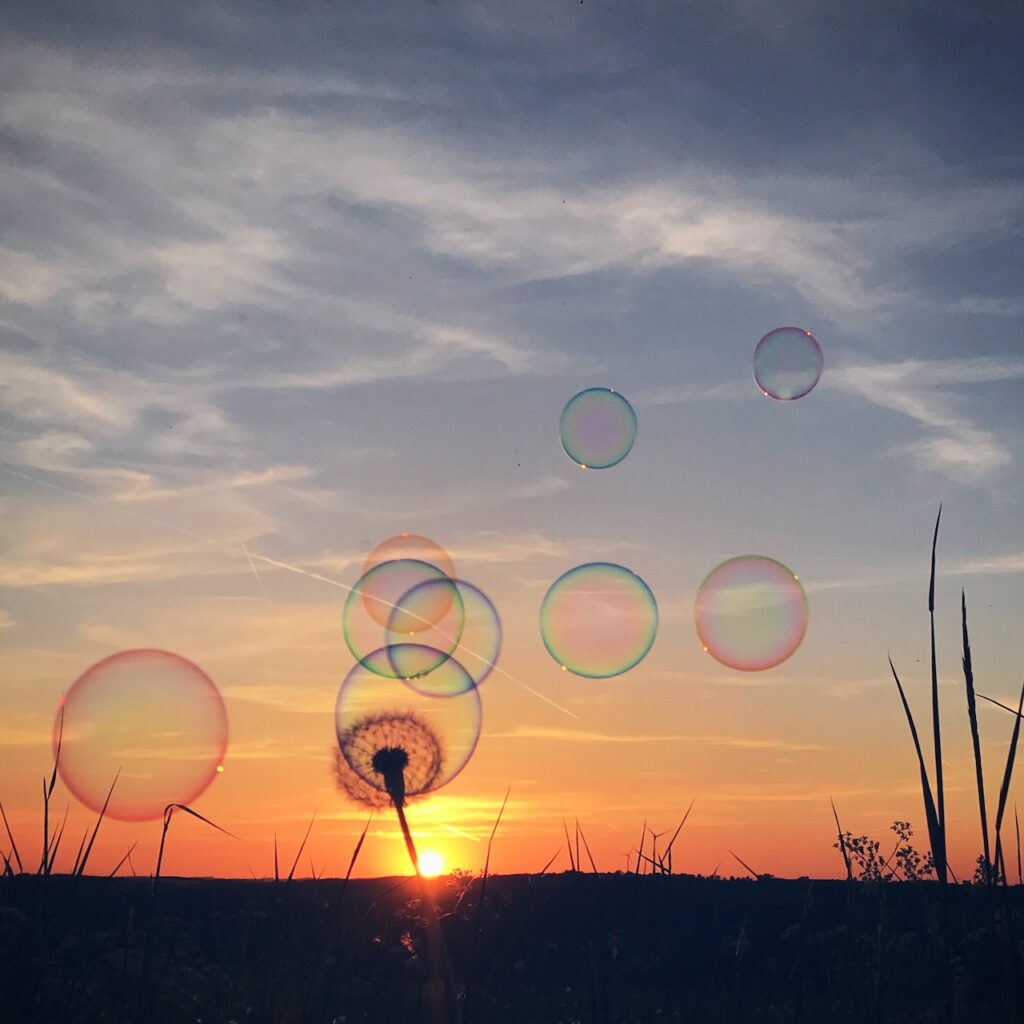
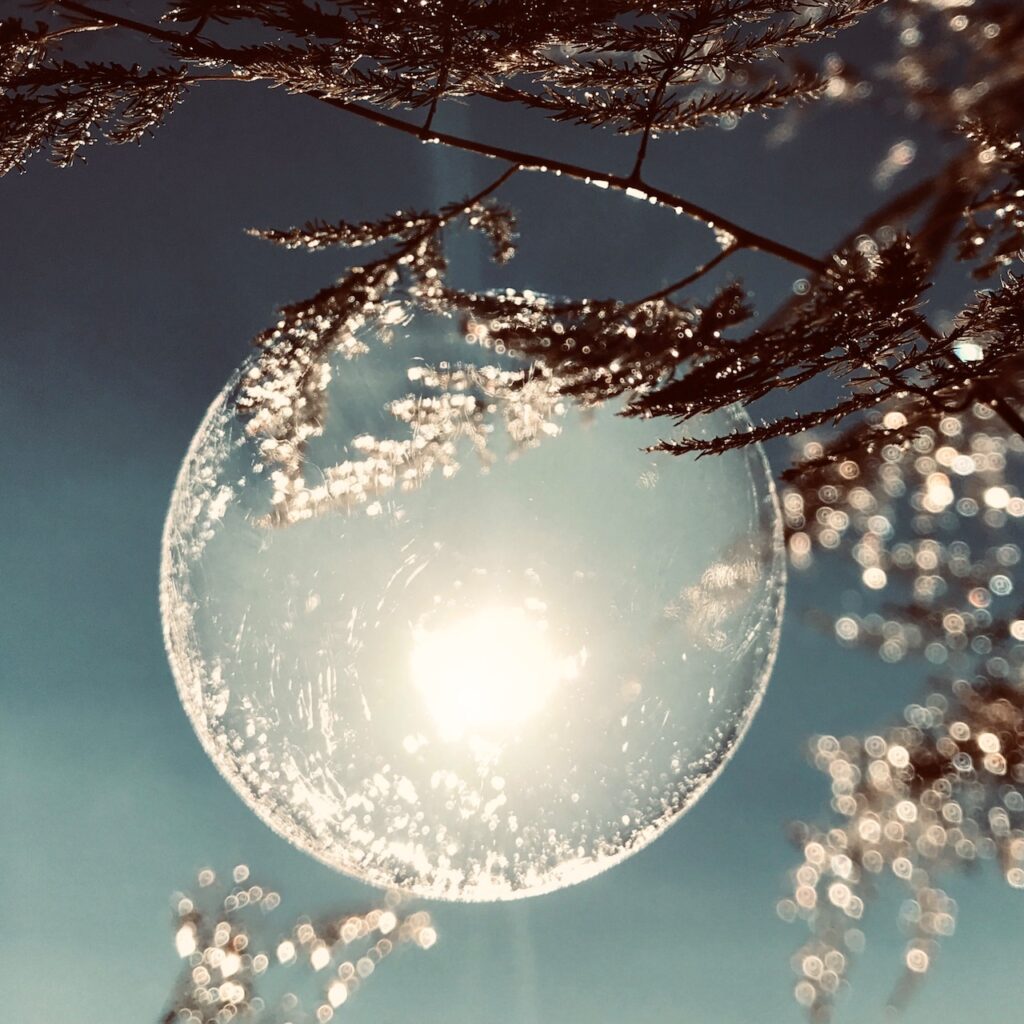
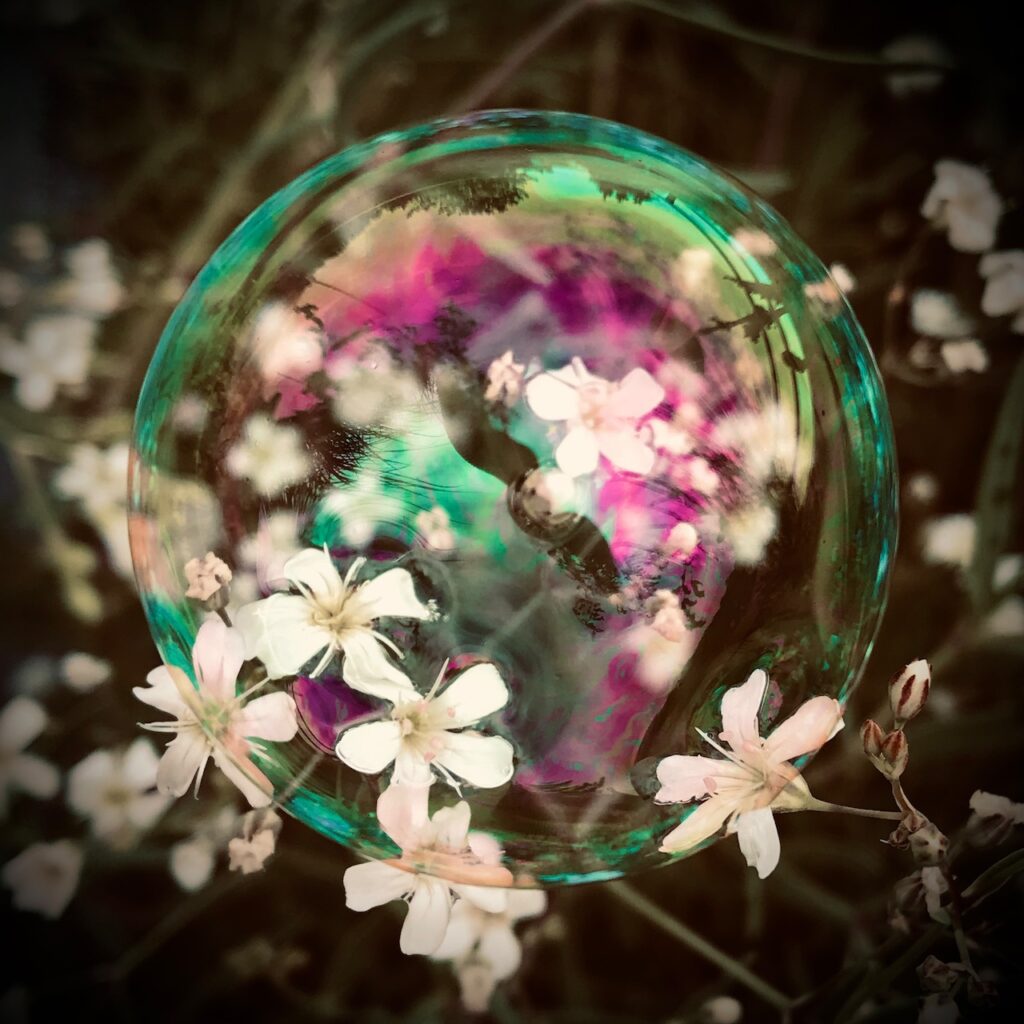
Soap bubbles have a wildly respectable résumé: before anyone was chasing rainbow spheres across a lawn, people had to figure out soap itself. A chemistry win built on fats/oils reacting with alkali. By the 17th century, bubbles were already floating through European paintings, often as little visual reminders that life is brief, beautiful, and likely to burst right when things get interesting. In the 18th century, Chardin’s famous Soap Bubbles helped cement that symbolism. Then science stepped in: in 1704, Newton described bubble colors as a thin-film optics effect (light interference), proving that what looks like pure whimsy is also a live demo of wave physics. In the 19th century, Joseph Plateau pushed bubbles into serious research by studying soap films on wire frames, laying groundwork for minimal-surface mathematics and foam physics, basically turning child’s play into a geometry lab. For centuries, bubbles were homemade from whatever soap was around, but 20th-century bottled bubble solution helped scale the pastime into a modern toy-industry staple. The cultural payoff became official in 2014, when “Bubbles” entered the National Toy Hall of Fame. So the humble bubble is a rare overachiever: part art history, part physics lecture, part philosophical memento mori, and part neighborhood chaos engine. An elegant sphere that says, “Nothing lasts forever, but fun can be rapidly redeployed.”